Retail Investing · Mutual Funds & SIPs
NAV, Expense Ratio and Exit Load
Costs and unit pricing basics that compound against you if ignored.
5 concepts. Foundation literacy for retail investors.
- Retail Investing
- Easy level
- 5 concepts
- 5 practice questions
2Expense ratio
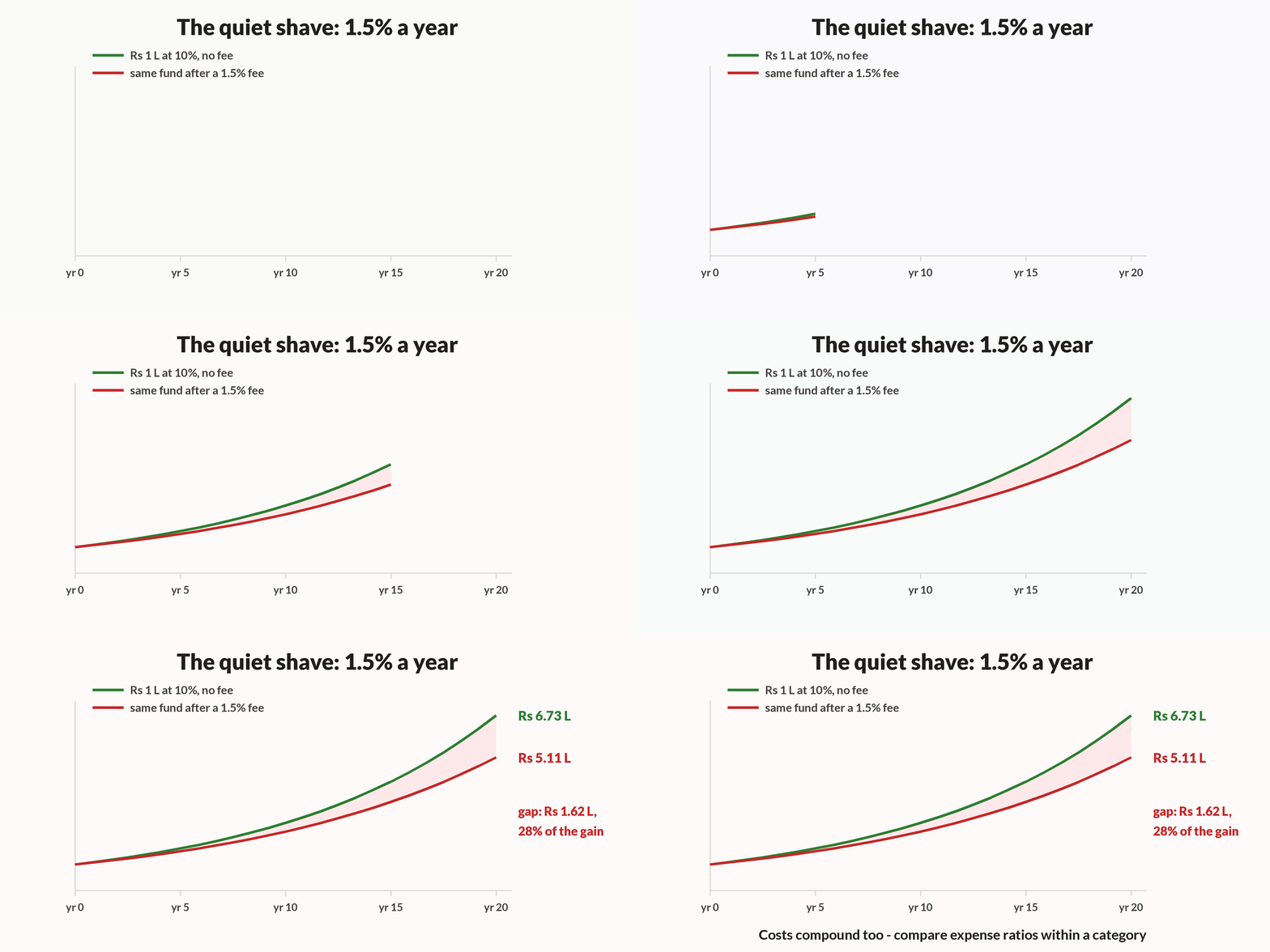
The expense ratio is the annual fund cost drag as a percentage of assets. It reduces returns versus a zero-fee portfolio.
Lower is better all else equal, but mandate and tracking matter too.
| Item | Fact |
|---|---|
| Expense ratio | Ongoing % cost |
| Effect | Drags returns |
| Compare | Within similar categories |
A higher expense ratio, all else equal,
- Reduces investor returns versus a cheaper similar fund
- Increases SEBI-guaranteed alpha
- Has no effect ever
Costs drag returns.
3Exit loads
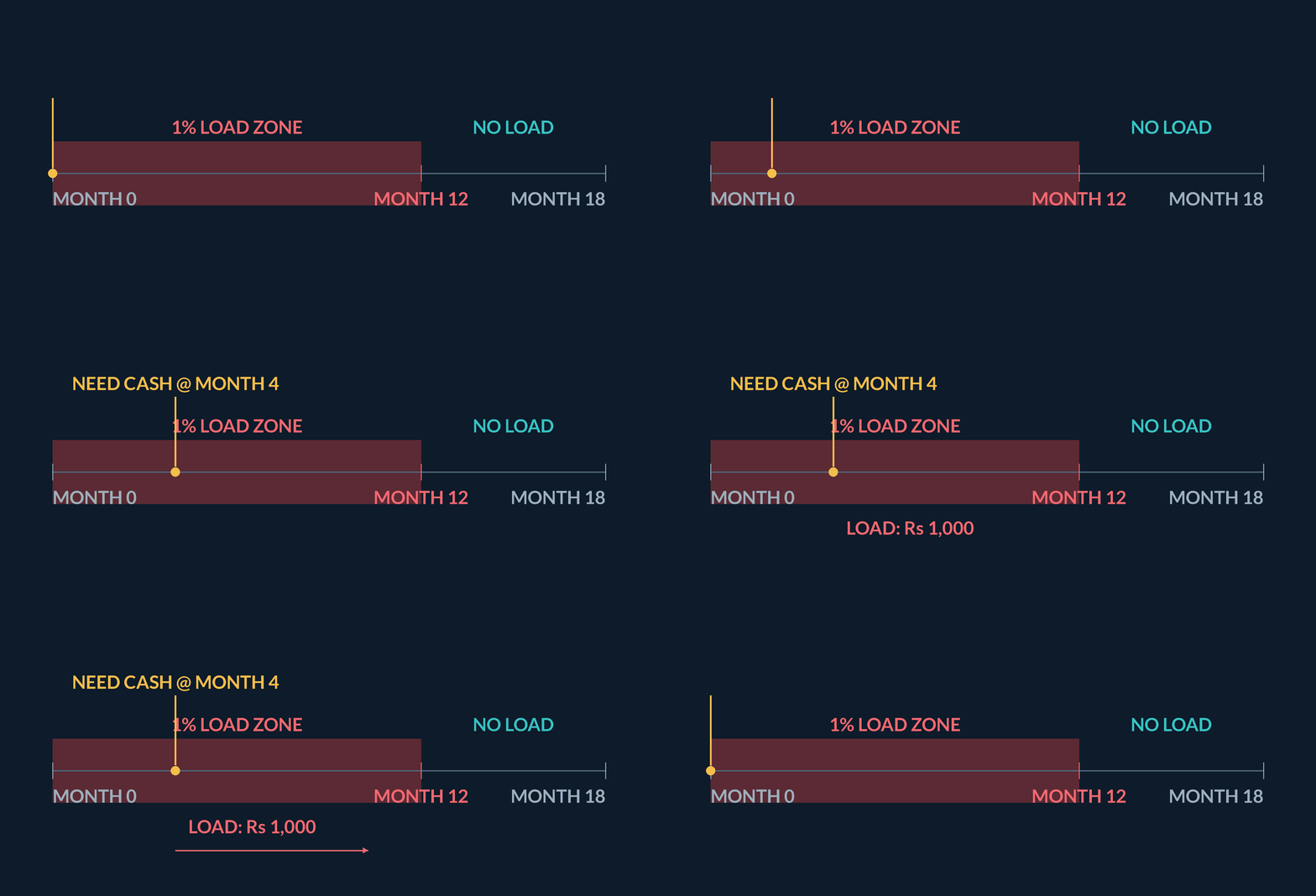
An exit load is a fee if you redeem within a stated period. It discourages very short holding in some funds.
Read the load schedule before treating a fund like a daily trading account.
| Item | Fact |
|---|---|
| Exit load | Fee on early exit |
| Purpose | Discourage hot money |
| Habit | Check before investing |
An exit load typically applies when
- You redeem within the specified early period
- You hold forever tax-free by magic
- SEBI pays you a bonus
Early exit fee.
4Direct vs regular plans
Direct plans omit distributor commission in the cost structure and usually have lower expense ratios than regular plans of the same scheme.
If you are self-directed, direct often makes sense.
Figure. Same scheme, same portfolio, two price tags: the regular plan's expense ratio carries distributor commission, the direct plan's does not (levels illustrative). Self-directed investors keep the difference every single year.
| Item | Fact |
|---|---|
| Direct | Usually lower cost |
| Regular | Includes distributor commission path |
| Same scheme | Compare apples to apples |
Direct plans usually differ from regular plans by
- Lower ongoing costs (no distributor commission in the plan)
- Holding completely different portfolios always
- Being illegal
Cost structure differs.
5All-in cost mindset
Think expense ratio, loads, and your own behaviour (panic exits). The cheapest fund still fails if you buy high and sell low.
Cost is necessary hygiene, not the whole game.
Figure. Two leaks, one wallet (illustrative year): fund costs shave the portfolio's return, and buying high or panic-selling shaves what you actually keep. Cost hygiene matters - and so does sitting still.
| Item | Fact |
|---|---|
| Fund costs | ER + loads |
| Behaviour costs | Bad timing |
| Both | Matter |
Investor returns depend on
- Fund costs and investor behaviour
- Only the logo colour
- GMP alone
Costs + behaviour.
Notes
- Unit transactions use NAV with cut-off rules. You do not negotiate a stock-like bid/ask on open-end MF units the same way.
- The expense ratio is the annual fund cost drag as a percentage of assets. It reduces returns versus a zero-fee portfolio.
- An exit load is a fee if you redeem within a stated period. It discourages very short holding in some funds.
- Direct plans omit distributor commission in the cost structure and usually have lower expense ratios than regular plans of the same scheme.
- Think expense ratio, loads, and your own behaviour (panic exits). The cheapest fund still fails if you buy high and sell low.
Formulas
- Unit pricing basis
- Ongoing % cost
- Fee on early exit
Exam traps & shortcuts
- Revise the table pegs before any quiz.
Reference tables
| Peg | Fact |
|---|---|
| 1.Buying | Unit pricing basis |
| 2.Expense | Ongoing % cost |
| 3.Exit | Fee on early exit |
| 4.Direct | Usually lower cost |
| 5.All-in | ER + loads |
Recap
Keep these pegs.
- 1.Buying
- Unit pricing basis
- 2.Expense
- Ongoing % cost
- 3.Exit
- Fee on early exit
- 4.Direct
- Usually lower cost
- 5.All-in
- ER + loads
Practise NAV, Expense Ratio and Exit Load
Reading is free and needs no account. Practice, mocks and progress live in the app.
- 5 exam-style questions on this topic, with explanations
- A 5-question practice set that ends the chapter
- Timed mocks scored with the real marking scheme
- Readiness tracked per topic, kept on your device